Listed Building Surveys: Specialist Surveying for Historic Properties
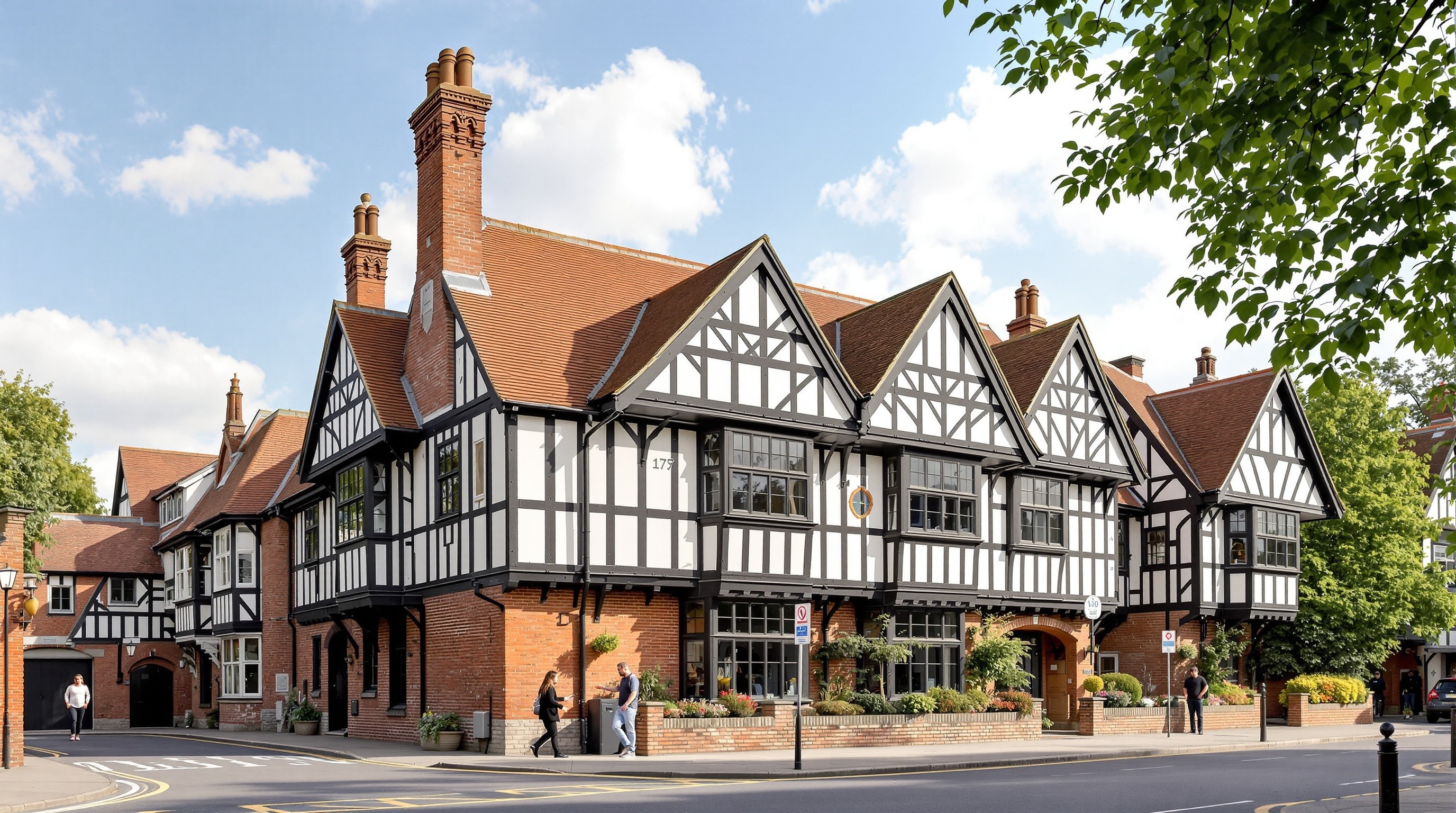
Kent boasts over 50,000 listed buildings, from medieval timber-framed structures to Georgian townhouses and Victorian architectural gems. Kent Surveyors provide specialist listed building surveys across Canterbury, Royal Tunbridge Wells, Maidstone, and throughout Kent's historic towns. Our RICS chartered surveyors have extensive experience with period properties, understanding the unique challenges, conservation requirements, and surveying techniques essential for listed buildings.
Canterbury: Home to over 600 listed buildings including medieval structures and Georgian townhouses.
Royal Tunbridge Wells: Famous for Georgian and Victorian architecture in conservation areas.
Sevenoaks: Contains numerous Grade II* manor houses and historic estates.
Important: Listed Building Consent is required for ANY alterations, internal or external, that affect character.
- What Is a Listed Building?
- Why Listed Buildings Need Specialist Surveys
- The Listed Building Survey Process
- Common Listed Building Issues in Kent
- Modern Services in Listed Buildings
- Energy Efficiency and Listed Buildings
- Listed Building Consent Process
- Costs of Owning Listed Buildings
- Benefits of Listed Building Ownership
- Choosing the Right Listed Building Surveyor
What Is a Listed Building?
Listed buildings are structures recognized by Historic England as having special architectural or historical interest worthy of protection. In Kent, listed buildings include:
- Medieval timber-framed buildings (Canterbury, Maidstone)
- Tudor and Elizabethan manor houses
- Georgian townhouses (Royal Tunbridge Wells, Sevenoaks)
- Victorian churches, schools, and civic buildings
- Early 20th century Arts and Crafts movement houses
Listing Grades Explained
Kent Surveyors encounter three grades of listed buildings:
- Grade I: Buildings of exceptional interest (2.5% of listed buildings) - includes Canterbury Cathedral and major historic structures
- Grade II*: Particularly important buildings of more than special interest (5.8%)
- Grade II: Buildings of national importance and special interest (91.7%) - most listed properties buyers encounter
The listing grade doesn't necessarily reflect condition or quality - it indicates historical significance. Even Grade II listed buildings require Listed Building Consent for alterations and face significant restrictions on modifications.
| Grade | % of Listed Buildings | Definition | Kent Examples | Alteration Difficulty |
|---|---|---|---|---|
| Grade I | 2.5% | Exceptional national importance | Canterbury Cathedral, Leeds Castle, Knole House | Extremely Difficult |
| Grade II* | 5.8% | Particularly important | Major manor houses, significant Georgian townhouses | Very Difficult |
| Grade II | 91.7% | National importance and special interest | Victorian terraces, period cottages, historic shops | Difficult (requires consent) |
⚠️ Critical Legal Warning: Making ANY alterations to a listed building WITHOUT Listed Building Consent is a criminal offence punishable by unlimited fines and up to 2 years imprisonment. This includes internal changes like removing fireplaces, altering room layouts, or replacing windows. ALWAYS obtain consent before commencing work - ignorance is not a defence in law.
Why Listed Buildings Need Specialist Surveys
Kent Surveyors strongly recommend specialist Level 3 building surveys for all listed properties. Standard surveys don't adequately address the unique challenges of historic buildings:
Traditional Construction Methods
Listed buildings use construction techniques unfamiliar to modern surveyors:
- Lime mortar and render (not cement)
- Breathable wall construction
- Timber framing and wattle-and-daub panels
- Historic roof structures with collar beams and purlins
- Original lead, stone, or handmade tile roofing
- Solid wall construction without damp proof courses
Our RICS chartered surveyors understand these traditional building methods and can identify issues other surveyors might miss or misdiagnose. For example, damp in solid wall listed buildings requires different treatment than modern cavity walls.
Conservation Requirements
Any work on listed buildings requires Listed Building Consent from the local planning authority. Kent Surveyors' reports address:
- Which repairs can be carried out using like-for-like materials
- Where consent would be required for alterations
- Appropriate conservation materials and techniques
- Impact of modern improvements (insulation, heating, windows)
- Planning policy implications for your planned changes
Understanding these requirements before purchase prevents costly surprises. Simple changes that would be straightforward in modern properties may require consent applications taking 8-12 weeks for listed buildings.
Hidden Structural Issues
Listed buildings often have concealed structural problems:
- Movement in timber frames (common and often acceptable)
- Beetle infestation in ancient timbers
- Failed historic repairs using inappropriate materials
- Inadequate or non-existent foundations
- Roof spread pushing walls outward
- Failed or missing tie rods in gable walls
Kent Surveyors use specialist knowledge to distinguish between historic movement that's stabilized and active structural problems requiring intervention. Not all cracks or movement in listed buildings are serious - some are part of the building's character and history.
The Listed Building Survey Process
Pre-Survey Research
Before inspecting, Kent Surveyors research the property's history:
- Historic England listing description
- Previous planning applications and consents
- Local authority conservation area designations
- Historic maps and building evolution
- Known conservation challenges in the area
This research informs the inspection, helping our surveyors understand what original features to expect and identify later alterations.
Detailed On-Site Inspection
Listed building surveys take significantly longer than standard surveys. Kent Surveyors typically spend 4-6 hours on site for a medium-sized listed property, examining:
- External inspection: Walls, roofs, windows, doors, rainwater goods, chimneys, foundations (where visible)
- Internal inspection: Room-by-room assessment of structure, finishes, joinery, services
- Roof spaces: Detailed examination of roof structure, timbers, and coverings
- Cellars and undercrofts: Foundation inspection, damp assessment
- Original features: Documentation of historic joinery, plasterwork, and architectural details
- Services: Assessment of heating, electrical, plumbing systems and their impact on the historic fabric
We use moisture meters, thermal imaging, and specialized equipment to assess condition without damaging historic fabric. Where necessary, we recommend further specialist investigations like timber surveys or structural engineering assessments.
Comprehensive Reporting
Kent Surveyors' listed building survey reports typically run to 40-60 pages and include:
- Detailed photographic record of the property
- Description of construction and materials
- Assessment of historic features and significance
- Identification of all defects with repair priorities
- Appropriate conservation repair methodologies
- Advice on Listed Building Consent requirements
- Cost estimates for necessary repairs
- Recommendations for specialist investigations
- Guidance on suitable modern improvements
- Long-term maintenance planning
These comprehensive reports help you understand what you're buying and budget appropriately for repairs and ongoing maintenance.
Common Listed Building Issues in Kent
1. Damp and Moisture Problems
Traditional buildings are designed to "breathe" - moisture moves through walls via evaporation. Common causes of damp in Kent's listed buildings include:
- Cement pointing trapping moisture (should be lime mortar)
- Modern impermeable renders preventing evaporation
- Inappropriate damp proofing installations
- Failed historic drainage systems
- Ground level build-up over centuries
- Blocked or inadequate ventilation
Typical Costs: Repointing with lime mortar £60-£100 per square meter. Lime render £80-£120 per square meter. Proper drainage improvements £2,000-£5,000. Conservation repairs often cost 50-100% more than modern equivalents due to specialist materials and skills.
2. Timber Decay and Beetle Infestation
Many Kent listed buildings have ancient structural timbers. Kent Surveyors frequently find:
- Historic beetle infestation (often inactive)
- Wet rot in timber ends embedded in damp walls
- Failed repairs using inappropriate modern materials
- Inadequate load-bearing capacity in undersized timbers
Not all timber decay requires treatment. Historic beetle flight holes don't indicate current infestation. Kent Surveyors distinguish between active problems requiring treatment and historic issues that are stable.
Typical Costs: Specialist timber repairs £100-£200 per linear meter. Major beam replacement with oak £200-£400 per meter. Structural oak frame repairs £5,000-£20,000 for significant work.
3. Roof Structure Issues
Historic roofs often show:
- Roof spread pushing walls outward
- Failed purlins or rafters
- Deteriorating original roof coverings
- Inadequate support for heavy stone or clay tiles
- Missing or failed tie rods
Typical Costs: Installing tie rods £2,000-£5,000. Structural roof repairs £10,000-£30,000. Re-roofing with handmade tiles or stone slates £150-£300 per square meter. Lead roof coverings £200-£350 per square meter installed.
4. Foundation Movement
Many listed buildings have minimal or no foundations. Some movement is normal and acceptable, but Kent Surveyors assess:
- Whether movement is historic or ongoing
- Structural implications of observed cracking
- Need for monitoring or immediate intervention
- Appropriate conservation-compliant repair methods
Typical Costs: Crack monitoring £200-£400. Conservation-compliant underpinning £15,000-£50,000. Structural stabilization using traditional methods £5,000-£20,000.
Modern Services in Listed Buildings
Installing modern heating, electrical, and plumbing systems in listed buildings presents challenges:
Heating Systems
Many Kent listed buildings have never had central heating. Installing it requires careful planning:
- Routing pipes and cables without damaging historic fabric
- Choosing appropriate radiators or underfloor systems
- Balancing thermal comfort with conservation needs
- Avoiding condensation problems from rapid temperature changes
Typical Costs: Full central heating installation in listed building £10,000-£20,000 depending on size and heating method chosen.
Electrical and Plumbing
Modern services must be installed sympathetically:
- Concealed wiring in voids rather than surface chasing
- Avoiding damage to historic plaster and joinery
- Positioning outlets and fittings discreetly
- Using traditional-style fittings where visible
Energy Efficiency and Listed Buildings
Improving energy efficiency in listed buildings requires balancing comfort with conservation:
What You Can Do:
- Secondary glazing (usually permitted without consent)
- Loft insulation (with proper ventilation)
- Draught-proofing of doors and windows
- Insulation of suspended timber floors
- Efficient heating controls and zoning
What Usually Requires Consent:
- Replacing original windows with double glazing
- External wall insulation
- Solar panels (especially visible from public viewpoints)
- Internal wall insulation affecting room sizes
Kent Surveyors advise on appropriate improvements that balance modern living standards with conservation requirements. Listed buildings typically have higher running costs than modern equivalents - factor this into your budget.
Listed Building Consent Process
Understanding Listed Building Consent helps you plan alterations and budget for the process:
What Needs Consent:
- Any works affecting the character of the listed building
- Internal alterations (removing walls, changing layouts)
- External changes (windows, doors, roofing, rendering)
- New extensions or outbuildings
- Changes to curtilage buildings (garages, sheds within the property boundary)
The Consent Process:
- Pre-application consultation with conservation officer (recommended)
- Prepare detailed drawings and heritage statement
- Submit application with fee (typically £100-£200)
- 8-12 week determination period (sometimes longer)
- Conditions and requirements specified in consent
Kent Surveyors recommend discussing planned changes with the local planning authority before purchase. What seems like a simple alteration might be problematic from a conservation perspective.
Costs of Owning Listed Buildings
Listed buildings typically cost more to maintain and repair than modern equivalents:
Purchase Costs:
- Specialist Level 3 survey: £800-£1,500+ depending on size
- Additional specialist reports: £500-£2,000
- Legal fees (often higher due to complexity): £1,500-£3,000
Ongoing Costs:
- Insurance: 20-50% higher than modern properties
- Heating: Often 50-100% higher energy costs
- Maintenance: Budget 1.5-2% of property value annually
- Repairs: Specialist conservation work costs 50-100% more
Renovation Costs:
Expect renovation costs £200-£400 per square meter for basic works, £400-£800 for comprehensive restoration. Complete renovation of a derelict listed building can exceed £1,000 per square meter.
Benefits of Listed Building Ownership
Despite higher costs, listed buildings offer significant benefits:
- Architectural character: Unique features and craftsmanship impossible to replicate
- Protected investment: Listing prevents demolition or unsuitable alterations
- Grant opportunities: Historic England and local authorities offer grants for significant repairs
- Stable values: Quality listed buildings in good locations hold value well
- Sustainable housing: Well-maintained historic buildings are environmentally sustainable
- Community contribution: Preserving heritage for future generations
Choosing the Right Listed Building Surveyor
Not all surveyors have listed building expertise. When choosing a surveyor in Kent, ensure they have:
- RICS chartered surveyor status
- Specific experience with period properties
- Knowledge of traditional construction methods
- Understanding of conservation principles
- Familiarity with local planning policies
- Examples of previous listed building surveys
Kent Surveyors have extensive experience surveying historic properties across Kent, from timber-framed medieval buildings to Georgian townhouses. Our RICS chartered surveyors understand conservation requirements and provide practical advice on living with and caring for listed buildings.
Listed Buildings FAQs
Yes, most mainstream lenders provide mortgages for Grade II listed buildings in good condition. Grade I and II* properties, or those requiring significant repairs, may need specialist lenders. Kent Surveyors' comprehensive reports help lenders understand the property condition and any repair requirements, facilitating mortgage approval.
Listed buildings in good condition sell well if appropriately priced. They attract buyers who appreciate character and history. However, properties requiring significant conservation work may take longer to sell and need buyers with renovation experience and budgets. Location matters enormously - listed buildings in Canterbury or Royal Tunbridge Wells sell more readily than remote rural locations.
Unauthorized works can result in enforcement action requiring you to undo changes and restore original features - at your expense. Serious breaches can lead to prosecution with unlimited fines. Always get consent before starting work. If you discover unauthorized previous alterations, Kent Surveyors advise discussing retrospective consent applications with your conservation officer.
Delisting is extremely rare and requires proving the building no longer merits protection - perhaps due to fire damage destroying all historic fabric. Simply wanting to alter a building isn't grounds for delisting. Accept that listing is a permanent designation when you purchase.
Approved alterations to listed buildings qualify for reduced 5% VAT (instead of 20%) if the works have Listed Building Consent. This includes both labor and materials. However, routine repairs and maintenance pay standard VAT rates. This reduced VAT makes approved renovations significantly more affordable.
Get Your Specialist Listed Building Survey
Contact Kent Surveyors for expert RICS surveys of listed buildings and historic properties. Our chartered building surveyors have extensive experience with period properties across Kent.