Top 10 Property Defects Found in Kent Homes
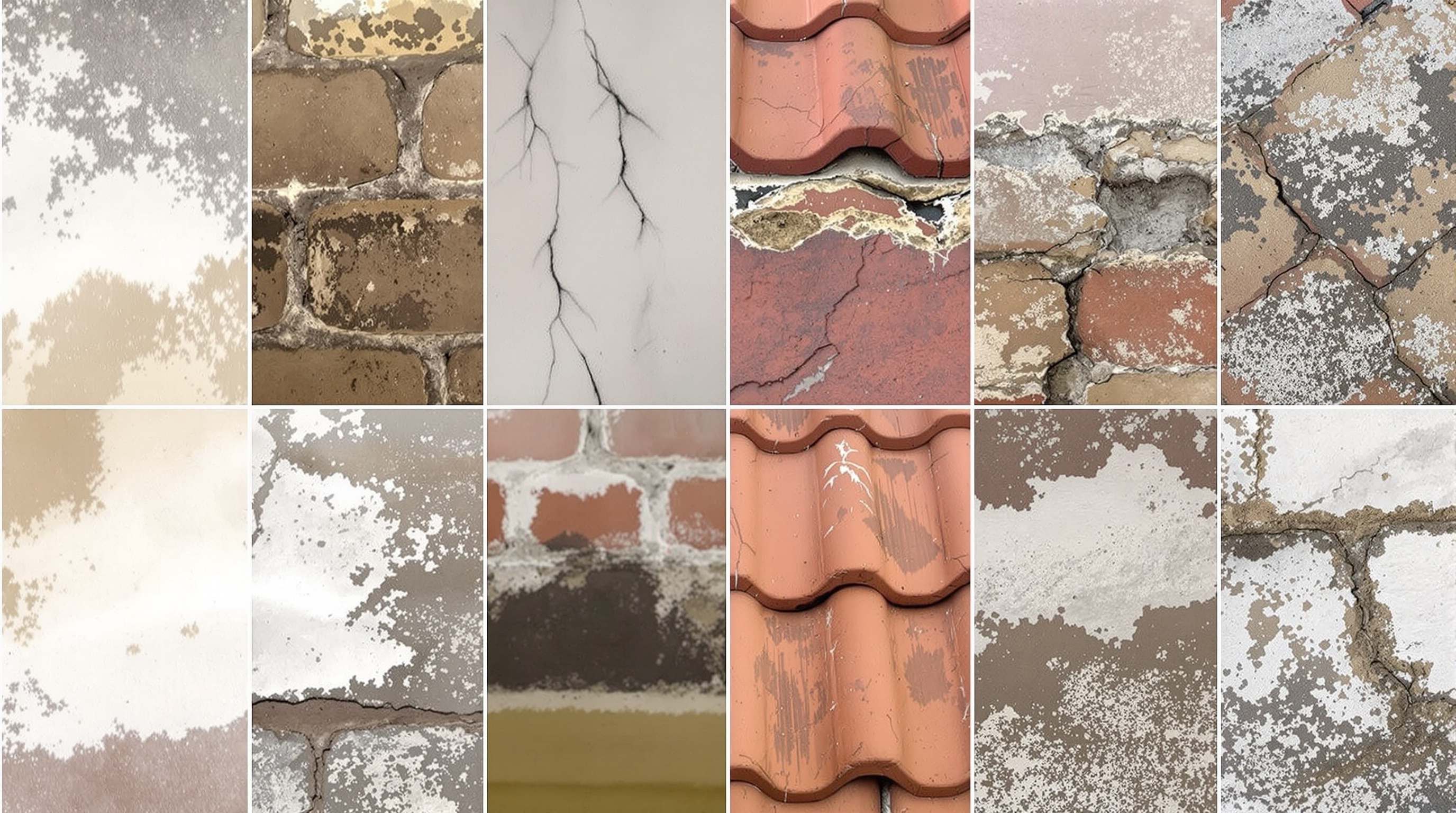
Kent Surveyors identify thousands of property defects each year during building surveys across Maidstone, Canterbury, Tunbridge Wells, and throughout Kent. Our RICS chartered surveyors explain the ten most common defects we find, their causes, repair costs, and how they affect property values. Understanding these issues helps buyers make informed decisions and negotiate better prices.
Negotiating power: Identifying defects before purchase gives you leverage to negotiate £5,000-£30,000 off the asking price.
Mortgage protection: Serious defects can make properties unmortgageable until resolved.
Budget planning: Understanding repair costs helps you plan renovations and avoid financial surprises.
- 1. Rising Damp and Damp Penetration
- 2. Subsidence and Structural Movement
- 3. Roof Defects and Water Ingress
- 4. Electrical System Deficiencies
- 5. Timber Decay - Wet Rot and Dry Rot
- 6. Defective Drainage Systems
- 7. Cavity Wall Issues
- 8. Window and Door Problems
- 9. Asbestos Containing Materials
- 10. Poor Maintenance and Neglect
1. Rising Damp and Damp Penetration
What It Is: Damp is the most common defect Kent Surveyors find, affecting approximately 40% of properties we inspect. Rising damp occurs when groundwater moves up through walls via capillary action. Damp penetration happens when water enters through walls, roofs, or windows.
Common Causes:
- Failed or missing damp proof course (DPC)
- Ground levels too high, bridging the DPC
- Cracked render allowing water penetration
- Leaking gutters and downpipes
- Defective pointing in brickwork
- Poor ventilation causing condensation
Signs to Look For: Tide marks on walls, peeling wallpaper, musty smells, salt deposits, crumbling plaster, and black mold. Kent properties built before 1950 are particularly vulnerable as early DPC systems often fail.
Typical Repair Costs: £500-£3,000 depending on extent. Chemical DPC injection costs £30-£50 per linear meter. Replastering and redecoration add £500-£1,500. Severe cases requiring extensive remedial work can cost £5,000+.
Impact on Value: Moderate damp can reduce property values by 5-10%. Severe damp may make properties unmortgageable until rectified. Kent Surveyors recommend immediate treatment to prevent structural damage and health issues.
2. Subsidence and Structural Movement
What It Is: Subsidence is downward ground movement affecting property foundations. Kent's clay soil, particularly in areas like Maidstone and Tunbridge Wells, makes subsidence a significant concern during dry summers.
Common Causes:
- Clay soil shrinkage during drought
- Tree roots extracting moisture (most common in Kent)
- Poor drainage causing soil erosion
- Mining activity (rare in Kent)
- Inadequate foundations on older properties
Signs to Look For: Diagonal cracks wider than 5mm, doors and windows sticking, gaps between walls and ceilings, cracks wider at the top than bottom. Kent Surveyors use specialized tools to measure crack widths and monitor movement.
Typical Repair Costs: Minor stabilization £5,000-£10,000. Full underpinning £10,000-£50,000 depending on extent. Tree removal and root barriers £2,000-£5,000. Insurance typically covers subsidence caused by trees, but excess payments of £1,000+ are common.
Impact on Value: Active subsidence can reduce values by 20-30% and make properties difficult to sell or mortgage. Historic subsidence that's been properly repaired has minimal impact if it's been stable for 10+ years.
3. Roof Defects and Water Ingress
What It Is: Kent Surveyors find roof issues in 30% of properties surveyed. Aging tiles, failing flashings, and inadequate ventilation cause leaks and structural damage to roof timbers.
Common Issues:
- Slipped or broken tiles (especially after winter storms)
- Failed valley and chimney flashings
- Blocked or leaking gutters
- Inadequate roof ventilation causing timber rot
- Old felt underlay deterioration
- Roof covering beyond economic repair (70+ years old)
Typical Repair Costs: Minor repairs (20-30 tiles) £300-£800. New valley £800-£1,200. Full re-roof (3-bed semi) £6,000-£12,000 for concrete tiles, £8,000-£15,000 for slate. Timber repairs add £1,000-£3,000.
Impact on Value: A roof nearing end of life reduces value by £5,000-£10,000. Buyers often negotiate the full replacement cost off the asking price.
4. Electrical System Deficiencies
What It Is: Kent properties with outdated electrical installations present safety risks and require complete rewiring. Electrical systems should be tested every 10 years and typically need replacement every 25-30 years.
Common Problems:
- Old-style fuse boxes without circuit breakers
- Rubber or fabric-insulated cables (pre-1970)
- Insufficient socket outlets
- No RCD protection on circuits
- Damaged or dangerous wiring
- Missing electrical safety certificates
Typical Costs: Full rewire (3-bed house) £3,500-£6,000 including consumer unit replacement, first and second fix, testing and certification. Partial upgrades £1,000-£2,500. Electrical safety certificates £150-£300.
Impact on Value: Properties requiring rewiring see 3-5% price reductions. Mortgage lenders may require electrical certificates before releasing funds.
5. Timber Decay - Wet Rot and Dry Rot
What It Is: Timber decay affects floor joists, roof timbers, and structural woodwork. Wet rot is common in damp areas; dry rot is more serious and spreads rapidly through buildings.
Common Causes:
- Persistent dampness from leaks or poor ventilation
- Contact between timber and damp masonry
- Failed damp proof courses
- Inadequate underfloor ventilation
- Leaking plumbing or roof defects
Signs to Look For: Musty fungal smell, soft or crumbling wood, white fungal growth (dry rot), darkening timber, warped floorboards. Kent Surveyors use moisture meters and borescopes to detect hidden timber decay.
Typical Costs: Wet rot treatment and timber replacement £500-£2,000. Dry rot eradication requires removing affected timber plus 1 meter beyond, treating surrounding areas, and installing new timber - typically £2,000-£10,000 depending on extent. Severe cases can exceed £20,000.
Impact on Value: Active dry rot is a major concern that can reduce values by 10-15%. Lenders may refuse mortgages until treated by specialist contractors with insurance-backed guarantees.
6. Defective Drainage Systems
What It Is: Kent Surveyors identify drainage issues in 20% of properties. Blocked, cracked, or collapsed drains cause foul odors, damp, and potential subsidence.
Common Problems:
- Tree root intrusion into clay pipes
- Collapsed or fractured drains (especially Victorian properties)
- Incorrect pipe falls causing blockages
- Missing or damaged inspection chambers
- Shared drains with responsibility disputes
Typical Costs: CCTV drainage survey £150-£300. Drain repairs £500-£1,500. Full drain replacement £3,000-£8,000. Root cutting £200-£500. These costs surprise buyers who didn't arrange specialist drainage surveys.
Impact on Value: Known drainage problems reduce values by 5-8%. Shared drainage serving multiple properties creates ongoing maintenance liabilities.
7. Cavity Wall Issues
What It Is: Most Kent properties built after 1920 have cavity walls. Wall tie corrosion, incorrectly installed insulation, and bridged cavities cause damp and structural problems.
Common Defects:
- Corroded cavity wall ties (1950s-1980s properties)
- Cavity wall insulation causing damp (especially exposed locations)
- Mortar bridging cavities during construction
- Missing wall ties during construction
Typical Costs: Wall tie replacement £30-£50 per tie (typical house needs 100-200 ties = £3,000-£10,000). Removing defective cavity insulation £1,500-£4,000. Installing new mechanical wall ties £1,500-£3,500.
Impact on Value: Failed wall ties requiring remediation reduce values by 3-5%. Properties with cavity wall insulation causing damp may see larger reductions.
8. Window and Door Problems
What It Is: Failed double glazing, rotten timber windows, and poorly fitting doors are common in Kent properties. Modern UPVC windows typically last 20-25 years before needing replacement.
Common Issues:
- Failed double glazing seals causing misting
- Rotten timber window frames and sills
- Poorly fitted or failing UPVC windows
- Missing or inadequate draught-proofing
- Non-compliant safety glass
Typical Costs: New UPVC windows £400-£800 per window installed. Timber sash window repairs £200-£500 per window. Full replacement timber windows £800-£1,500 each. Complete house window replacement (3-bed) £4,000-£8,000.
Impact on Value: Properties requiring complete window replacement see 2-4% price reductions.
9. Asbestos Containing Materials
What It Is: Many Kent properties built between 1950-2000 contain asbestos in various forms. While not an immediate danger if undisturbed, asbestos requires proper management and specialist removal.
Common Locations:
- Artex textured ceilings (pre-1985)
- Garage roofs and outbuildings
- Pipe lagging and boiler insulation
- Floor tiles and vinyl flooring
- Soffits and fascias
Typical Costs: Asbestos survey £150-£300. Removal costs vary enormously: small amounts (textured ceiling) £500-£1,500, garage roof £800-£2,000, full house removal £3,000-£10,000. Disposal carries additional costs.
Impact on Value: Known asbestos has minimal impact if safely managed. However, buyers often negotiate removal costs off purchase prices. Mortgage lenders require asbestos surveys for high-risk properties.
10. Poor Maintenance and Neglect
What It Is: Properties that have been inadequately maintained develop multiple minor defects that accumulate into major problems. Kent Surveyors see this particularly in rental properties and probate sales.
Common Signs:
- Overgrown gardens with vegetation against walls
- Peeling external paintwork and rotting joinery
- Blocked gutters and downpipes
- Failed decorations throughout
- Defective or broken fixtures and fittings
- Inadequate heating systems
Typical Costs: Bringing a neglected property up to good standard: £10,000-£30,000 for cosmetic refurbishment, £30,000-£80,000 if structural repairs are also needed. Budget £150-£200 per square meter for comprehensive modernization.
Quick Reference: Top 10 Defects Summary
| Defect Type | Frequency in Kent | Typical Cost to Fix | Value Impact | Urgency |
|---|---|---|---|---|
| 1. Damp Issues | 40% of properties | £500-£5,000 | 5-10% reduction | High |
| 2. Subsidence | 5% of properties | £5,000-£50,000 | 10-20% reduction | Critical |
| 3. Roof Defects | 30% of properties | £3,000-£15,000 | 5-8% reduction | High |
| 4. Electrical Problems | 23% of properties | £2,500-£5,000 | 3-5% reduction | High (safety) |
| 5. Timber Decay | 15% of properties | £1,000-£8,000 | 3-7% reduction | Medium-High |
| 6. Drainage Issues | 18% of properties | £500-£5,000 | 2-4% reduction | Medium |
| 7. Cavity Wall Issues | 12% of properties | £2,000-£6,000 | 2-5% reduction | Medium |
| 8. Window/Door Defects | 25% of properties | £4,000-£12,000 | 2-4% reduction | Low-Medium |
| 9. Asbestos | 35% (pre-2000) | £500-£10,000 | Negotiable | Medium |
| 10. Poor Maintenance | 20% of properties | £10,000-£80,000 | 10-15% reduction | Variable |
⚠️ Critical Advice: Never purchase a property without a professional RICS building survey, especially for homes built before 1990. The average Kent homebuyer who skips surveys faces unexpected repair costs of £8,400 within the first two years. A £600 survey can save you tens of thousands in negotiation leverage and avoid unmortgageable properties.
✅ Real Kent Success Story: Emma viewed a Victorian terrace in Canterbury listed at £385,000. Her Level 3 survey from Kent Surveyors identified £18,500 of defects including rising damp (£4,200), roof repairs (£8,500), rewiring (£4,800), and timber treatment (£1,000). Armed with the detailed report, she negotiated a £22,000 price reduction to £363,000, saving enough to complete all repairs and still come in under budget. Survey cost: £750. Value delivered: £22,000 saving.
Impact on Value: Neglected properties typically sell at 10-20% below market value for equivalent well-maintained homes. Some buyers see this as opportunity; others should avoid unless they have renovation experience and budget.
How Kent Surveyors Identify These Defects
Our RICS chartered building surveyors use comprehensive inspection techniques:
- Visual inspection: Detailed examination of accessible areas
- Moisture meters: Detecting damp in walls, floors, and timbers
- Thermal imaging: Identifying heat loss and hidden damp
- Crack monitoring: Assessing structural movement
- Drainage inspection: Testing systems and identifying issues
- Roof access: Examining roof voids and timbers where safe
Kent Surveyors provide detailed photographic evidence of all defects, clear descriptions of issues, and expert advice on remediation. Our comprehensive reports help you understand exactly what repairs are needed and their approximate costs.
Using Survey Findings to Negotiate
Many Kent buyers successfully negotiate lower purchase prices using survey findings. Kent Surveyors' clients typically achieve:
- Minor defects (£5,000-£10,000 repairs): 5-8% price reduction
- Moderate defects (£10,000-£25,000 repairs): 8-12% reduction
- Major defects (£25,000+ repairs): 12-20% reduction or seller undertakes repairs
Our detailed cost estimates support your negotiations by providing independent professional evidence of repair costs.
Property Defects FAQs
Not necessarily. Most properties have some defects. Kent Surveyors help you understand which defects are serious and which are manageable. Many defects can be negotiated on price or repaired cost-effectively. However, active subsidence, serious structural movement, or extensive dry rot might justify walking away unless prices are substantially reduced.
Not always. Well-maintained Victorian and Edwardian properties often have fewer issues than poorly maintained modern homes. However, older properties typically need more ongoing maintenance and may have construction methods that don't meet current standards. Kent Surveyors recommend Level 3 surveys for pre-1900 properties to fully understand their condition.
Buildings insurance covers sudden damage but not gradual deterioration or pre-existing defects. Subsidence insurance (usually included in buildings insurance) covers new subsidence but not historic stabilized movement. Some defects like damp or rot must be treated before insurers will provide full cover. Kent Surveyors advise on which defects affect insurability.
Get Your Professional Building Survey
Contact Kent Surveyors for comprehensive RICS building surveys identifying all property defects. Our detailed reports help you make informed decisions and negotiate better prices.