How to Spot Subsidence: Warning Signs Every Homebuyer Should Know
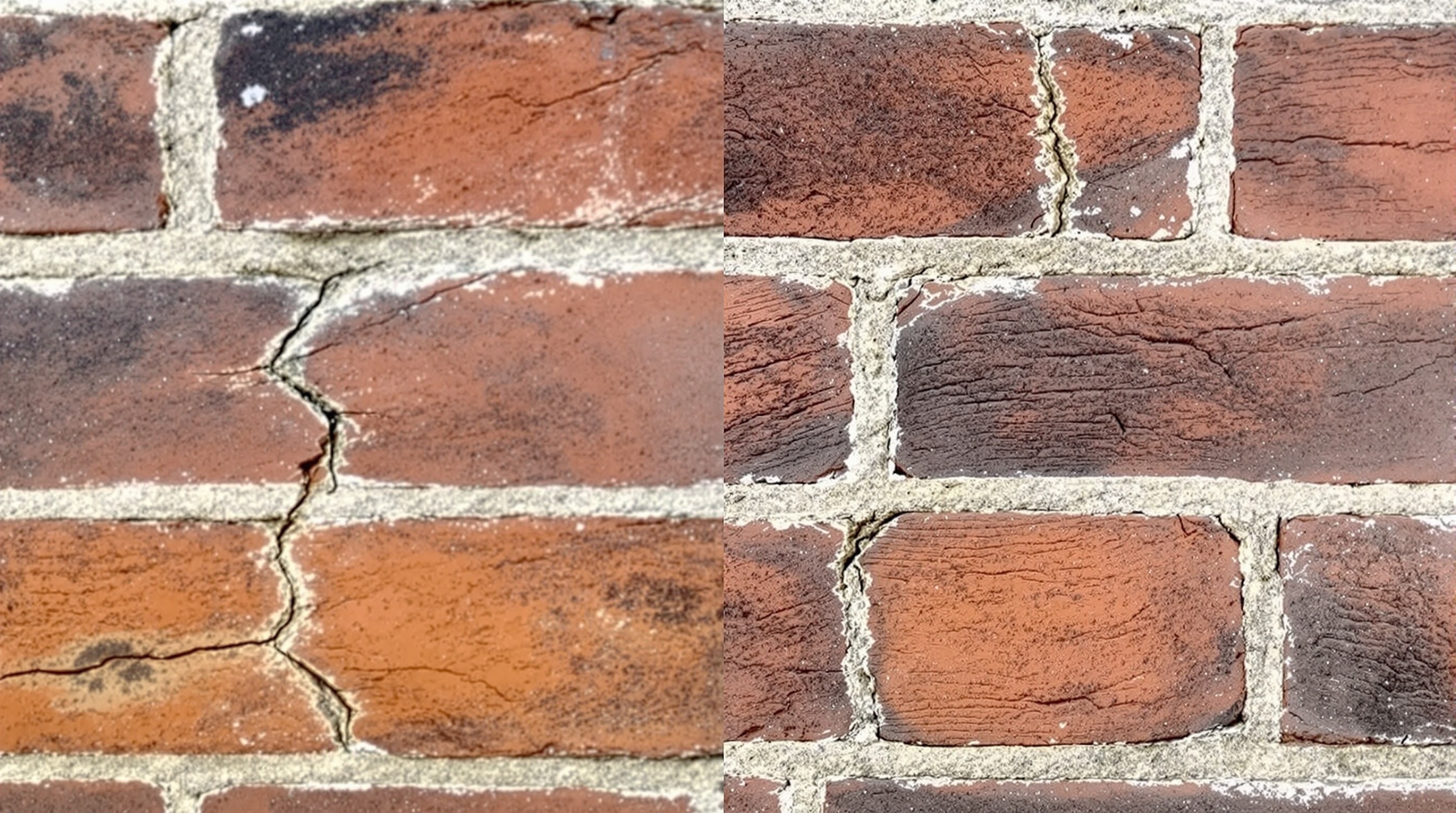
Subsidence is one of the most serious structural problems affecting Kent properties. Kent Surveyors help buyers identify subsidence warning signs during building surveys across Maidstone, Canterbury, Tunbridge Wells, and throughout Kent. Our RICS chartered surveyors explain what causes subsidence, how to recognize the symptoms, repair costs, and the impact on property values and insurance. Understanding these warning signs before you buy protects you from expensive structural problems.
⚠️ Critical Warning Signs: Diagonal cracks wider than 3mm (£1 coin thickness), cracks appearing suddenly after dry weather, doors and windows sticking, and cracks wider at top than bottom ALL indicate potential subsidence. NEVER ignore these signs - subsidence worsens over time and can make properties unmortgageable. Get immediate professional assessment from RICS chartered surveyors.
What Is Subsidence?
Subsidence is downward ground movement affecting property foundations, causing structural damage. Kent Surveyors distinguish subsidence from other structural movement:
- Subsidence: Ground beneath foundations sinks downward
- Heave: Ground expands upward (opposite of subsidence)
- Settlement: Normal consolidation of soil after building (usually minor and stops)
True subsidence is progressive and can cause severe structural damage if untreated. Kent's clay soil, particularly in areas like Maidstone, Tunbridge Wells, and parts of Canterbury, makes subsidence a significant concern during dry weather.
Common Causes of Subsidence in Kent
1. Clay Soil Shrinkage (Most Common)
Kent has extensive clay soil areas that shrink when dry and expand when wet. This seasonal movement causes subsidence, particularly during hot, dry summers. Properties built on London Clay or Weald Clay are most vulnerable.
High-Risk Kent Areas:
- Maidstone and surrounding areas
- Royal Tunbridge Wells (Weald Clay)
- Parts of Sevenoaks
- North Kent including Dartford and Gravesend
2. Tree Root Activity (Most Common Cause)
Trees extract moisture from clay soil, causing shrinkage and subsidence. Kent Surveyors frequently see subsidence caused by:
- Oak trees: Can extract moisture up to 1.5x their mature height from foundations
- Willows and poplars: High water demand, particularly problematic
- Ash, elm, and lime trees: Moderate risk
- Hedges (especially leylandii): Surprisingly high water demand
Trees don't need to be massive to cause problems. A 15-20 meter mature oak can affect foundations 20+ meters away. Kent Surveyors assess tree proximity, species, and size when evaluating subsidence risk.
3. Leaking Drains
Water from leaking drains washes away soil supporting foundations. Victorian and Edwardian properties in Canterbury and Tunbridge Wells often have old clay drainage pipes that fracture over time, causing subsidence.
4. Mining and Ground Conditions
While less common in Kent than other UK regions, historical mining (chalk, ragstone, or clay extraction) can cause ground instability. Some areas also have natural voids in chalk formations.
5. Poor Construction
Inadequate foundations, particularly in older properties built before modern building regulations, increase subsidence risk. Many Victorian properties in Kent have shallow foundations (less than 1 meter deep) vulnerable to movement.
Subsidence Warning Signs
Kent Surveyors identify subsidence through specific crack patterns and symptoms. Not all cracks indicate subsidence, but these warning signs warrant professional investigation:
1. Diagonal Cracks
Appearance: Diagonal cracks running at 45-degree angles, often stepping through brickwork mortar joints.
Location: Typically appear at weak points like:
- Corners of windows and doors
- Where extensions meet main buildings
- Building corners
Width: Cracks wider than 5mm (width of a 10p coin) are concerning. Cracks wider than 15mm indicate serious structural movement.
Pattern: Subsidence cracks are wider at the bottom than the top (opposite of heave).
2. External vs Internal Crack Location
Subsidence typically shows externally first. If you see significant external cracking but minimal internal damage, investigate promptly - the problem may be developing.
3. Cracks That Reappear After Repair
If cracks have been filled and reappear, active movement continues. Kent Surveyors use monitoring to determine if movement is ongoing or historic.
4. Doors and Windows Sticking
Frames distorting due to structural movement cause doors and windows to stick or fail to close properly. Combined with visible cracking, this strongly suggests subsidence.
5. Gaps Between Walls and Ceilings/Floors
Visible gaps appearing between walls and ceilings, or walls and floors, indicate the structure has moved. These gaps often coincide with external cracking.
6. Rippling or Bulging of Walls
Severe subsidence can cause walls to ripple or bulge. This is serious and requires immediate investigation.
7. Cracks in Hard Surfaces Outside
Cracking in paths, patios, or driveways adjacent to affected walls can indicate ground movement. However, these can also result from poor construction or thermal movement.
What Subsidence Looks Like: Crack Classification
Kent Surveyors use the Building Research Establishment (BRE) crack classification system:
- Category 0: Hairline cracks less than 0.1mm - negligible, normal movement
- Category 1: Fine cracks up to 1mm - very slight, aesthetic repairs only
- Category 2: Cracks 1-5mm - slight, require monitoring and possible repairs
- Category 3: Cracks 5-15mm - moderate, requires professional investigation and repair
- Category 4: Cracks 15-25mm - severe, extensive repair required
- Category 5: Cracks over 25mm - very severe, may require partial rebuilding
Category 3+ cracks indicate potential subsidence requiring structural engineer assessment.
Distinguishing Subsidence from Other Cracks
Normal Settlement Cracks
New buildings settle as soil compacts under their weight. Settlement cracks:
- Appear within 1-2 years of construction
- Are usually minor (under 5mm)
- Stabilize and don't worsen
- Are typically vertical rather than diagonal
Thermal Movement
Buildings expand and contract with temperature changes. Thermal cracks:
- Often appear in walls exposed to direct sunlight
- May be seasonal (appearing in summer, closing in winter)
- Are typically vertical
- Remain consistent width (don't progressively widen)
Wall Tie Failure
In cavity wall construction, corroded wall ties can cause horizontal or stepped cracking. This isn't subsidence but still requires repair.
Monitoring Subsidence
When Kent Surveyors identify potential subsidence, monitoring determines if movement is active or historic:
Crack Monitoring Methods:
- Tell-tales: Simple glass or plastic strips glued across cracks. If movement continues, they crack.
- Crack width measurement: Regular measurements with crack gauges over 6-12 months
- Avongard digital monitoring: Electronic sensors providing precise movement data
- Level surveys: Precise measurements showing if building levels have changed
Monitoring typically continues for 6-12 months covering different seasons. Active movement (widening cracks) requires remedial action. Stable cracks over 12+ months suggest historic movement that's ceased.
Subsidence Repair Methods and Costs
1. Underpinning (Most Common Major Repair)
Underpinning strengthens and extends foundations deeper into stable ground. Kent Surveyors explain three main underpinning methods:
Mass Concrete Underpinning: Traditional method excavating beneath foundations in sections and filling with concrete.
- Typical cost: £10,000-£30,000 for semi-detached property
- Cost can reach £50,000+ for detached houses
- Extremely disruptive to occupants
Mini-Piled Underpinning: Installing concrete piles driven deep through unstable soil to bedrock.
- Typical cost: £15,000-£40,000
- Less disruptive than mass concrete
- Faster installation
Resin Injection: Modern method injecting expanding resin beneath foundations.
- Typical cost: £5,000-£20,000
- Minimal disruption
- Quick installation (days not weeks)
- Suitable for minor-moderate subsidence
2. Tree Management
If trees cause subsidence:
Tree Removal:
- Cost: £500-£5,000 depending on size and location
- Can cause heave if soil re-expands after tree removal
- May require root barriers (£2,000-£5,000) to prevent regrowth
Tree Pruning/Pollarding:
- Cost: £300-£2,000
- Reduces water demand without removal
- Requires ongoing maintenance
3. Drainage Repairs
Fixing leaking drains prevents further subsidence:
- Drain investigation (CCTV survey): £150-£300
- Patch repairs: £500-£2,000
- Full drain replacement: £3,000-£8,000
4. Making Good and Decoration
After structural repairs, cosmetic works cost £3,000-£10,000+ for plastering, decoration, and finishing.
Insurance and Subsidence
Insurance Coverage
Most buildings insurance covers sudden subsidence caused by trees, shrinkable clay, or drainage issues. However:
- Excess payments: Typically £1,000-£1,500 for subsidence claims
- Not covered: Subsidence in first 10 years of new builds (builder's warranty applies)
- Not covered: Subsidence due to poor design or construction
- Monitoring required: Insurers often require 12 months monitoring before authorizing repairs
Historic Subsidence and Insurance
Properties with previous subsidence claims face:
- Higher premiums (20-50% more)
- Larger excesses (up to £2,500)
- Potential exclusions for re-occurrence in same location
- Difficulty switching insurers
Kent Surveyors recommend obtaining written confirmation that historic subsidence is fully repaired and stable before purchase.
Subsidence Impact on Property Values
Active Subsidence
Properties with ongoing subsidence problems:
- Reduction of 20-40% on market value
- May be unmortgageable until repaired
- Difficult to sell except to cash buyers or investors
Repaired Historic Subsidence
Properties where subsidence has been properly repaired:
- 5-15% reduction if repairs completed within last 10 years
- 2-5% reduction if repairs 10-20 years old and demonstrably stable
- Minimal impact if repairs 20+ years old with no recurrence
Full documentation of repairs, guarantees, and monitoring results help minimize impact on value. Kent Surveyors assess whether historic subsidence should affect your purchase decision.
Mortgages and Subsidence
Mortgage lenders approach subsidence cautiously:
Active Subsidence:
- Most lenders refuse mortgages until repairs completed
- Specialist lenders may lend at higher interest rates
- Larger deposits required (40%+)
Historic Subsidence:
- Mainstream lenders will lend if repairs properly documented
- Requires structural engineer's report confirming stability
- Insurance-backed guarantees for repairs reassure lenders
- Monitoring records showing no movement for 12+ months
Buying Property with Subsidence
Kent Surveyors advise clients purchasing properties with subsidence:
Should You Buy?
Active Subsidence: Usually best avoided unless you're an experienced investor with cash to fund repairs. Negotiating 30-40% below market value may make it worthwhile.
Historic Subsidence (Fully Repaired): Can be good value if:
- Repairs professionally completed with guarantees
- Monitoring confirms stability for 12+ months
- Documentation is comprehensive
- Price reflects the history (5-10% discount)
- You're comfortable with potential insurance challenges
What to Check:
- Structural engineer's report on original subsidence
- Invoices and specifications for repair works
- Insurance-backed guarantees (ideally 10+ year)
- Monitoring records
- Current insurance policy details
- Whether trees have been removed or managed
Subsidence FAQs
Subsidence usually develops gradually over months or years. Cracks may appear after particularly dry summers when clay soil shrinks. Rapid appearance of significant cracks (within weeks) might indicate sudden ground instability requiring urgent investigation. Most subsidence develops slowly, giving time for monitoring and planned repairs.
Preventing subsidence involves managing risk factors: maintain adequate distance between trees and buildings (1.5x tree height for high-risk species), keep drains in good repair, ensure good drainage around foundations, avoid planting water-demanding trees near buildings on clay soil. However, some subsidence risk can't be eliminated in clay soil areas.
If the cause (trees, drainage) has been addressed and underpinning properly installed, recurrence is unlikely. However, new issues could develop in different areas. Insurance-backed guarantees typically cover recurrence in repaired areas. Properties with one subsidence incident do have slightly elevated risk of future problems elsewhere in the building.
Yes. Older properties often have shallow foundations (pre-1950s commonly have foundations less than 1 meter deep), making them more vulnerable to subsidence. Modern buildings have deeper foundations designed for local soil conditions. However, any property on clay soil with nearby trees can experience subsidence regardless of age.
Active subsidence is usually best avoided unless you have cash, renovation experience, and can negotiate substantial discount (30%+). Historic subsidence that's been properly repaired can be acceptable if well-documented, stable for 10+ years, and priced appropriately. Kent Surveyors help you assess whether the discount adequately reflects the risk.
Get Professional Subsidence Assessment
Contact Kent Surveyors for expert building surveys identifying subsidence and structural issues. Our RICS chartered surveyors provide comprehensive reports assessing subsidence risk across Kent.